By Submit Your Assignments (SYA) Editorial Team · Updated 2026-08-29
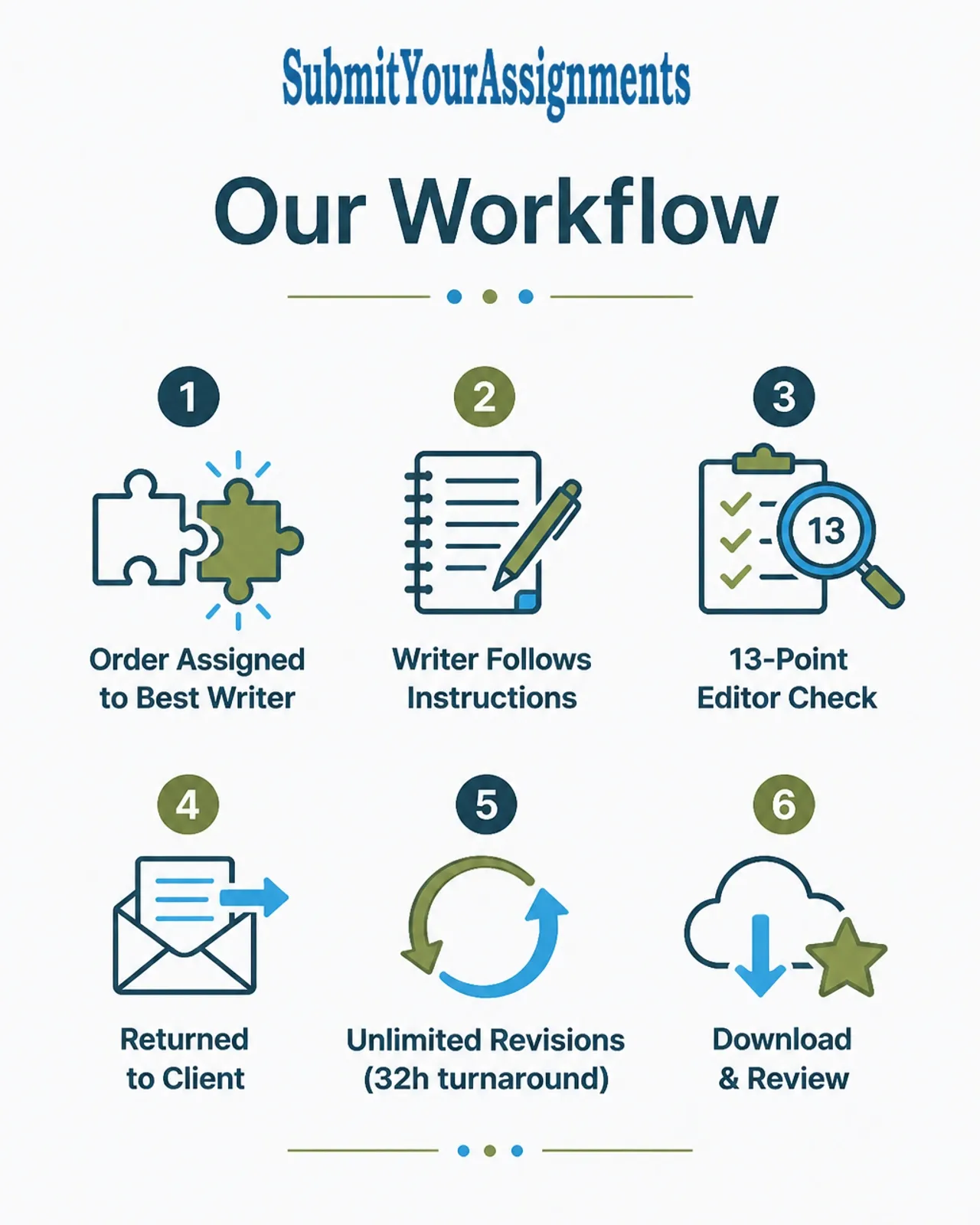
Knowing how to write a research paper starts with breaking the task into stages: choosing a focused topic, outlining arguments, drafting, and revising. Submit Your Assignments (SYA) supports undergraduate and graduate students with practical academic writing tips, editing, rewriting, and structural guidance, addressing gaps professors often leave unexplained after assigning a poor grade.
Key Takeaways
- Break research paper writing into smaller tasks to reduce stress and improve paper quality.
- Follow a structured life cycle and course of action to avoid critical missteps during writing.
- Adapt your writing process based on personal experience level and task difficulty requirements.
- Strong writing skills establish essential traits for productive researchers and successful professional careers.
How Can Planning Save You From Panic?
A solid plan turns a looming deadline into a manageable checklist. Students who map out their process before writing avoid the late-night scramble that ruins both grades and sleep. Good research paper writing tips always start before the first paragraph gets drafted, not after.
Setting firm deadlines for data collection, analysis, and the actual writing phase keeps an academic research workflow moving forward. Students who aim to meet or beat those self-imposed dates rarely find themselves cramming. A paper broken into stages feels far less overwhelming than one giant task.
Why does knowing the audience matter so much?
A paper’s tone and depth depend entirely on who reads it. Writers who consider the assumptions, expectations, and existing knowledge of their audience shape stronger arguments. Writing for readers with slightly less background than the actual target audience often produces clearer, more persuasive papers.
What if a student’s schedule is already packed?
Tight academic schedules crush even the best intentions. Submit Your Assignments works with students facing exactly this pressure, offering guidance to keep planning on track. Backed by a 45-person team, the company gives students real support instead of a lonely inbox and a countdown clock.
Planning isn’t glamorous, but it’s the difference between confidence and panic on submission day.
How Should You Structure And Argue Effectively?
Strong papers follow a standard format, then build an argument on top of it. Five parts anchor most academic papers: an introduction, a literature review, a methodology section, findings, and a conclusion. That skeleton keeps a paper organized, but it doesn’t make the paper convincing on its own. Original analysis does that work.
A paper stuffed with summarized sources and citation after citation still falls short of a strong argument. Professors want to see independent thinking, not a research recap with footnotes attached. Research paper writing tips worth following always circle back to one point: form a clear position, then defend it with evidence rather than description.
What makes an argument stand out in a research paper?
Two moves separate a strong argument from a apartment summary. First, state a distinct position instead of just restating what sources say. Second, engage with opposing viewpoints directly rather than ignoring them.
Consider this quick checklist before submitting a draft:
- Does the paper state a clear, original claim early on?
- Does each section connect back to that claim?
- Are counterarguments addressed instead of avoided?
- Does the conclusion reinforce the position rather than just recap findings?
Writing solid, well-argued papers isn’t just a school requirement. It’s a skill tied directly to research credibility and future professional success.
Need a second set of eyes on your argument? Submit Your Assignments’ team of experienced editors can help you sharpen your thesis, strengthen your evidence, and tighten your structure before you submit. Get a custom quote or call +1 (346) 603-6340 to talk through your paper today.
When Should You Get Extra Editing Help?

A completed draft with weak structure, unclear arguments, or shaky citations signals the right moment for professional review. Deadlines shrink fast, and a paper riddled with errors risks a low grade or worse. Once a first draft exists, students can request a full rewrite, targeted edits, or straightforward proofreading, depending on how much the paper needs. These are among the most practical research paper writing tips graduate and undergraduate students overlook until crunch time hits.
The stakes are higher than ever: universities have rolled out aggressive AI detection software
Universities now run aggressive AI detection software, and submitting a paper edited the wrong way puts a student’s academic record at risk. Plagiarism carries serious consequences too, including expulsion in severe cases. Careful, human-guided editing protects originality while sharpening clarity.
What makes an editing service worth trusting?
A trustworthy service stays affordable, keeps pricing transparent, and employs real writers who understand professor expectations. Reliability matters as much as skill.
Consider getting help when:
- The paper’s argument feels muddled or repetitive
- Citations look inconsistent or incomplete
- Deadlines leave no time for a proper self-edit
- AI-assisted drafts need a human touch before submission
FAQ
How does breaking a research paper into stages help?
It reduces stress and improves quality by turning a large task into a manageable checklist covering topic selection, outlining, drafting, and revision.
What role does the audience play in research paper writing?
The audience shapes tone and depth; writing for readers with slightly less background than the target audience produces clearer, more persuasive papers.
How does Submit Your Assignments help students with tight schedules?
SYA’s 45-person team offers editing, rewriting, and structural guidance, giving students real support to keep their planning on track instead of facing deadlines alone.
What are the most effective research strategies for a paper?
Effective research strategies start with a narrow, well-defined question, followed by consulting credible academic databases before general web sources, and recording findings in a consistent format from the outset. Reviewing sources critically, rather than only collecting them, keeps research aligned with the paper’s central argument.
What’s the best way to organize research sources?
Organizing research sources works best with a single system applied consistently: group sources by theme or argument rather than by discovery order, log full citation details immediately, and note how each source supports or challenges your position. This prevents last-minute scrambling to relocate a quote or citation before a deadline.
Conclusion
In closing, effective research paper writing demands a strategic blend of thorough investigation, organized planning, and disciplined revision. By mastering source evaluation, structuring your arguments with clarity, and refining your work through multiple drafts, you establish the foundation for academic success. These essential practices transform research into compelling scholarship that demonstrates your expertise and contributes meaningfully to your field. Your commitment to these principles elevates your writing from adequate to exceptional.
Ready to Submit a Stronger Paper?
Don’t let a shaky draft cost you the grade you worked for. Submit Your Assignments offers editing, rewriting, and proofreading backed by a 45-person team who understands what professors expect. Request your custom quote today, email info@submityourassignments.org, or call +1 (346) 603-6340 to get started.