
By Shannon Caldwell, Submit Your Assignments (SYA)
Learning how to conduct effective research is essential for students aiming to excel academically and produce work that impresses professors. Mastering the intricacies of the academic research methodology, sourcing high-quality scholarly sources, and applying structured writing and editing techniques can transform research projects into impactful academic contributions. This article provides a comprehensive, step-by-step guide covering each of these critical aspects, enhanced by our proprietary SYA Scholarly Quad-Filter Framework to elevate your evaluative rigor. Whether you’re new to academic research or looking to refine your skills, understanding these principles will enable you to approach your assignments with confidence and rigor.
What Is the Academic Research Process and Why Is It Crucial?
The academic research process is a systematic method for collecting, analyzing, and interpreting data aimed at answering specific research questions or substantiating academic arguments. Proper grasp of this process is fundamental to how to conduct effective research, ensuring that findings are credible and the work meets scholarly standards. Integrating a formal academic research methodology not only enhances the validity of results but also fosters critical thinking and intellectual development. Such mastery positions students for long-term academic and professional success by grounding their work in scholarly rigor and ethical practices.
Introducing the SYA Scholarly Quad-Filter Framework: A Proprietary Model for Evaluating Academic Research
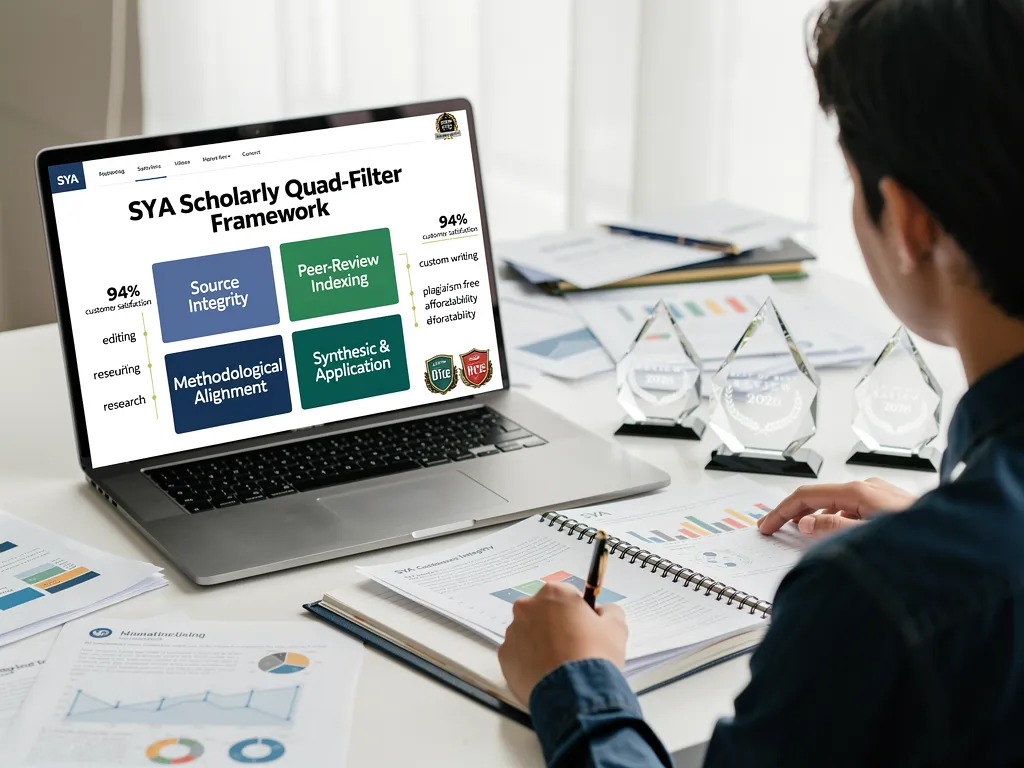
To maximize authority and depth in academic research, the SYA Scholarly Quad-Filter Framework serves as an advanced evaluative tool for both methodology and sources. It comprises four critical filters:
- Source Integrity: Verifying author credentials, institutional affiliation, and publication ethics to ensure the reliability of scholarly output.
- Peer-Review Indexing: Confirming inclusion in recognized peer-reviewed databases and journals to guarantee academic scrutiny.
- Methodological Alignment: Ensuring research design and methodology align with the research questions, fostering validity and reproducibility.
- Citation Density: Assessing the impact and scholarly acceptance by examining citation frequency along with cross-disciplinary referencing.
Applying this framework throughout your research workflow sharpens critical evaluation, helping to produce superior academic work that resonates with professors and the scholarly community alike.
What Are the Key Stages of the Academic Research Process?
Understanding the primary stages of the academic research process facilitates effective project management and high-quality outcomes. These stages encompass gathering information, structuring ideas via outlines, and meticulously drafting and revising the research document. Each phase is essential in ensuring coherence, depth, and a polished final paper.
Gathering Your Research (The Information Hunt)

Accurate and comprehensive collection of scholarly sources is foundational in how to conduct effective research. Start by utilizing top-tier academic databases such as JSTOR, Google Scholar, PubMed, and ScienceDirect, which offer peer-reviewed and indexed literature essential for scholarly work. Employ citation management tools like EndNote, Zotero, or Mendeley to organize references systematically and retrieve them efficiently during writing.
Reviewing bibliographies of pertinent articles uncovers additional credible sources that deepen the contextual understanding of your topic. Additionally, filtering sources based on peer review status, publication date, and relevance ensures the robustness of your research foundation.
Advanced digital tools now also support researchers in managing data, ensuring compliance with ethical standards, and streamlining workflow.
The Role of Reference Management Tools in Academic Research Reference management software (RMS) represents a cornerstone of modern academic writing and publishing. Programs such as EndNote, Zotero, and Mendeley facilitate citation organization, bibliography formatting, and collaborative scholarship. Comparative studies between traditional RMS and emerging AI-based tools highlight continual improvements in research efficiency and accuracy. (Comparison of reference management software with new artificial intelligence-based tools, 2026)
The Outline Is Your Best Friend
Developing a logical, hierarchical outline is a best practice in how to conduct effective research. It serves as a structural framework that guides the drafting process, identifying main ideas, supporting evidence, and the flow of arguments. This approach cultivates clarity, ensuring that complex information is presented coherently and persuasively—qualities professors expect in high-caliber academic writing.
How Does Understanding Academic Research Methodology Enhance Your Work?

Academic research methodology defines the strategic blueprint guiding your investigation, from selecting research designs to choosing data collection and analysis techniques. Familiarity with methodologies—qualitative, quantitative, or mixed methods—helps you align your approach with your research questions, improving the validity and reproducibility of results.
Understanding methodology also involves adherence to ethical standards and the practical application of scholarly frameworks, such as the Scientific Method or grounded theory, depending on discipline and study purpose. A thorough grasp of these concepts elevates your academic papers by demonstrating methodological rigor and integrity.
How to Find and Evaluate Scholarly Sources Effectively Using the SYA Quad-Filter

Identifying and assessing scholarly sources requires a discerning approach. Begin with clear research questions to focus your search within academic databases like Google Scholar, PubMed, and JSTOR. Evaluating sources involves scrutinizing author expertise, journal reputation, peer review status, and publication metrics such as impact factor and indexing in recognized platforms like Scopus.
Applying the SYA Scholarly Quad-Filter further refines your source selection by cross-checking:
- Source Integrity—Are the authors credible and the study ethical?
- Peer-Review Indexing—Is it published in a peer-reviewed and indexed journal?
- Methodological Alignment—Does the methodology fit your research question?
- Citation Density—Has the source been impactful within its field?
By applying these rigorous criteria, you reinforce the credibility and depth of your research.
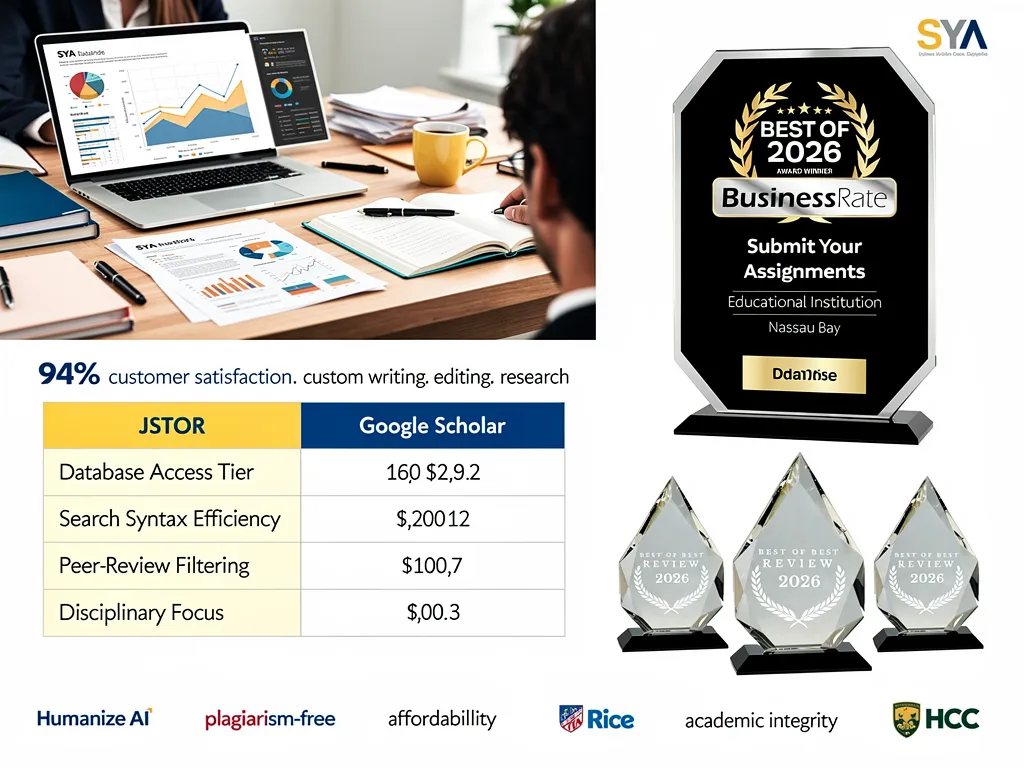
Comparative Analysis of Major Academic Search Databases
Which Academic Databases and Journals Should You Use?
Selection of academic databases and journals is pivotal in accessing reliable information. Major multidisciplinary databases such as JSTOR, ScienceDirect, and academic indices like Scopus and Web of Science offer peer-reviewed content critical for scholarly endeavors. Specialized databases cater to particular fields—PubMed for biomedical sciences, IEEE Xplore for engineering, and MLA International Bibliography for humanities.
Understanding journal quality indicators, such as impact factor, editorial board reputation, and indexing status, guides selection toward authoritative and impactful sources. Institutional access may vary, so familiarize yourself with your university’s library resources and authentication procedures.
What Criteria Ensure High-Quality and Credible Sources?
Ensuring source quality involves multiple evaluation criteria, which align closely with the SYA Scholarly Quad-Filter Framework:
- Author Credentials: Assess academic qualifications, institutional affiliations, and publication history.
- Peer Review Status: Confirm if sources have undergone rigorous review processes.
- Publication Venue: Consider journal reputation, impact factor, and indexing in databases like JSTOR or Scopus.
- Currency and Citation Metrics: Check publication date, frequency of citation, and any subsequent corrections or retractions.
Applying these filters helps maintain research integrity by building arguments on validated evidence.
Common Pitfalls in Student Academic Research & How to Avoid Them

Even well-intentioned research can suffer from avoidable errors. Recognizing and addressing common pitfalls strengthens the credibility and impact of your academic work.
- Confirmation Bias: Avoid the tendency to seek only information that supports your hypothesis. Practice balanced literature reviews and consider conflicting evidence critically.
- Over-Reliance on Non-Peer-Reviewed Sources: Limit use of non-scholarly materials such as blogs or unverified websites. Prioritize peer-reviewed journals and official publications to ensure accuracy.
- Poor Citation Practices: Improper or inconsistent citations undermine academic integrity. Use citation management software and adhere strictly to required citation styles (APA, MLA, Chicago, etc.).
- Misapplying Qualitative vs Quantitative Methodologies: Choose research methods aligned with your research questions. Avoid conflating qualitative exploratory methods with quantitative statistical analysis to maintain methodological coherence.
By being vigilant about these issues, students can produce more trustworthy and professionally regarded research.
What Strategies Ensure Writing and Editing Research Papers That Impress?
High-quality academic writing is a fundamental outcome of how to conduct effective research. Important strategies include accurately addressing prompts, structuring arguments clearly, and linking evidence coherently. Iterative proofreading enhances grammatical precision and overall readability.
Leveraging professional editing services and incorporating AI-powered tools can further elevate language clarity, stylistic consistency, and adherence to formatting requirements.
How Can Professional Editing Improve Academic Success?

Professional editing refines clarity, argument structure, and stylistic polish in research papers. Expert editors identify logical gaps, suggest reorganization, and ensure compliance with academic standards. Students using professional editing services commonly experience improved grades and enhanced confidence in their submissions.
Modern editorial workflows increasingly incorporate artificial intelligence to streamline revisions and elevate language quality.
Using ChatGPT to Improve Academic Writing and Research Efficiency This tutorial offers practical advice for editors on employing AI tools to improve literature reviews, train novice reviewers, and enhance language quality through advanced prompt engineering and zero-shot/few-shot learning techniques. (ChatGPT for editors: enhancing efficiency and effectiveness, 2024)
Practical Step-by-Step Breakdown and Structured Workflow Checkpoints for How to Conduct Effective Research
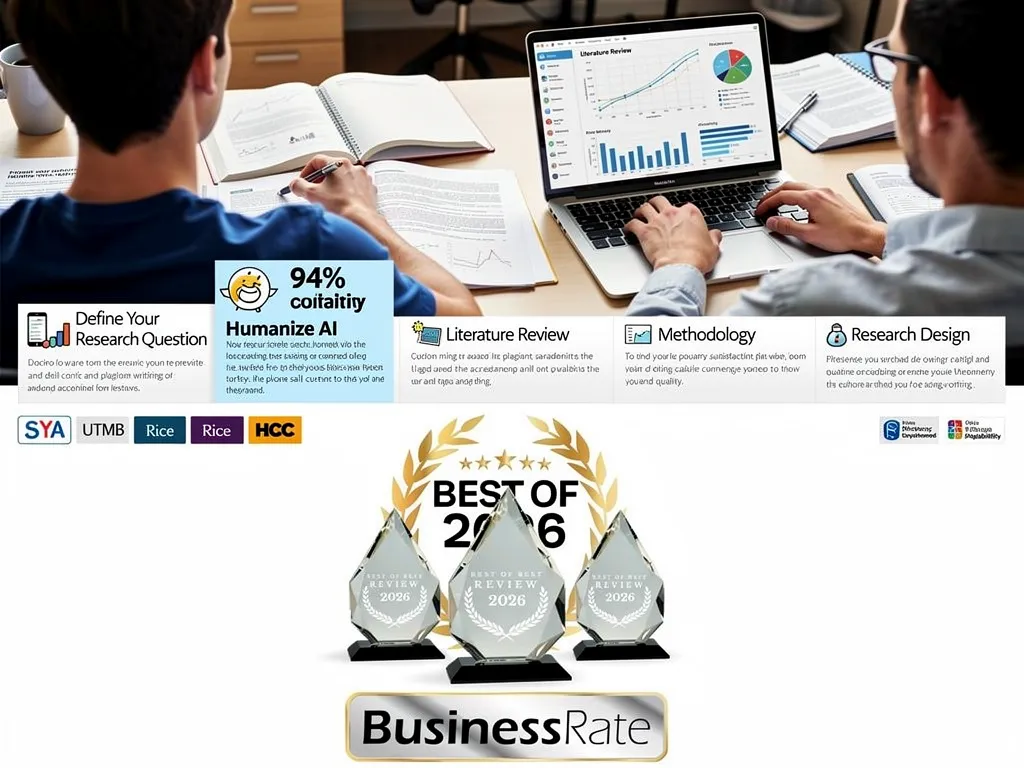
- Define Your Research Question: Formulate clear, focused questions to guide your investigation, ensuring they are specific, measurable, and relevant.
- Conduct Literature Review: Collect and critically evaluate relevant scholarly sources applying the SYA Scholarly Quad-Filter Framework to refine quality and relevance.
- Select Appropriate Methodology: Choose between qualitative, quantitative, or mixed methods ensuring strong methodological alignment with your research question.
- Design Research Protocol: Determine data collection techniques, sampling strategies, and ethical considerations; prepare documentation for ethical approval if required.
- Collect Data: Execute your planned methods systematically while maintaining data integrity; maintain meticulous records.
- Analyze Data: Apply statistical or thematic analysis tools aligned with your chosen methodology to draw objective insights.
- Interpret Results: Discuss findings in relation to your research question and existing literature, highlighting contributions and limitations.
- Report Findings: Write and revise the research paper using a clear, coherent structure; ensure all sources meet the SYA Quad-Filter criteria and proper citation.
- Seek Peer Review and Feedback: Engage both mentors and professional editors to critique your work; integrate feedback and verify compliance with academic standards.
- Final Quality Assurance Checkpoint: Conduct a final verification of all references, methodology alignment, ethical considerations, and language quality using editing tools and the Quad-Filter Framework.
Frequently Asked Questions
What is the best way to start conducting academic research?
Begin by defining a clear, focused research question, then gather scholarly sources from top-tier academic databases such as JSTOR, Google Scholar, PubMed, and ScienceDirect. Organizing these sources with a citation manager like Zotero or EndNote early on makes the rest of the research process far more efficient.
How do I know if a source is credible enough to cite?
Apply the SYA Scholarly Quad-Filter Framework: check source integrity (author credentials and publication ethics), peer-review indexing, methodological alignment with your research question, and citation density. A source that satisfies all four filters is generally safe to build an academic argument on.
What’s the difference between qualitative, quantitative, and mixed methods?
Qualitative methods explore concepts, experiences, or meaning through non-numerical data, quantitative methods rely on measurable, statistical data, and mixed methods combine both approaches. The right choice depends on your research question—methodological alignment is essential for valid, reproducible results.
How can I avoid common research mistakes like confirmation bias?
Deliberately seek out and engage with evidence that challenges your hypothesis, rely primarily on peer-reviewed sources rather than blogs or unverified websites, and keep citations consistent using dedicated citation management software throughout your project.
Can professional editing really improve my research paper’s grade?
Yes. Professional editors identify logical gaps, strengthen argument structure, and ensure your paper meets academic formatting and style standards. Many students who use professional editing services report clearer writing and greater confidence in their final submissions.
Ready to Strengthen Your Academic Research?
Conducting rigorous, professor-impressing research takes time, precision, and expert guidance — and you don’t have to do it alone. Submit Your Assignments (SYA) offers professional academic writing and editing support to help you apply frameworks like the SYA Scholarly Quad-Filter with confidence, refine your methodology, and polish your final paper before submission.
Get expert help today:
- Call us at +1 (346) 603-6340
- Email info@submityourassignments.org
- Visit submityourassignments.org
Let SYA’s academic experts help you turn thorough research into an outstanding final paper.